The world is quietly undergoing a profound energy transformation, one that is less about massive solar farms or towering wind turbines, and more about the microscopic synergy occurring beneath our feet. This is the realm of Pisphere, a startup born from the rigorous academic environment of Seoul National University, whose Plant-Microbial Fuel Cell (Plant-MFC) technology is not merely an incremental step but a foundational shift in how we conceive of decentralized, sustainable power. Their recognition, including a Silver Prize at a major SNU-affiliated startup event, is a validation of a technology that harnesses the very life cycle of plants to generate clean, continuous electricity. This is innovation in action, a convergence of biology and engineering that promises to embed power generation seamlessly into our natural and urban landscapes.
The core of Pisphere’s innovation lies in its ability to tap into a vast, previously inaccessible energy source: the natural waste products of photosynthesis. As plants convert sunlight into energy, they release a significant portion of this energy—up to 40% of their photosynthates—into the soil through their roots in the form of organic compounds, known as root exudates. These exudates are essentially a continuous, renewable food source for soil microorganisms. Pisphere’s technology is the elegant system designed to capture the energy released when these microbes consume that food.
The Science of Silence: Unpacking the Plant-MFC
The Plant-MFC is a bio-electrochemical system that functions much like a traditional battery, but with a living, breathing engine. It consists of an anode (negative electrode) buried in the soil, a cathode (positive electrode) exposed to the air or a separate chamber, and an external circuit connecting them. The key to the system is the microbial community that colonizes the anode.
The Biological Engine: Root Exudates and the Carbon Cycle
The plant’s role is passive yet crucial. It acts as a continuous solar-powered pump, delivering organic fuel to the soil. This process is entirely natural and does not harm the plant; in fact, the removal of excess organic matter can sometimes stimulate further growth. The energy source is therefore not the plant itself, but the constant, natural leakage of carbon compounds from the roots. This makes the Pisphere system inherently sustainable and carbon-neutral, as it utilizes a byproduct of the carbon cycle.
The Microbial Catalyst: The Power of Shewanella oneidensis MR-1
The true workhorse of the Pisphere system is a specific type of electroactive bacteria, or exoelectrogen, such as Shewanella oneidensis MR-1. These remarkable microorganisms have evolved the ability to transfer electrons directly to solid external acceptors—in this case, the anode of the fuel cell.
When S. oneidensis MR-1 consumes the root exudates, it oxidizes the organic matter, releasing electrons and protons. The electrons are transferred to the anode through a process called Extracellular Electron Transfer (EET). This is a complex biological mechanism that can involve direct contact via conductive appendages (nanowires) or indirect transfer via secreted chemical mediators. Pisphere’s innovation lies in optimizing the environment and potentially the microbial strain itself to maximize this electron transfer efficiency, a major bottleneck in conventional MFC research. The protons travel through the soil (acting as a proton exchange medium) to the cathode, where they combine with the electrons returning from the external circuit and oxygen from the air to form water. This flow of electrons through the external circuit is the usable electricity.
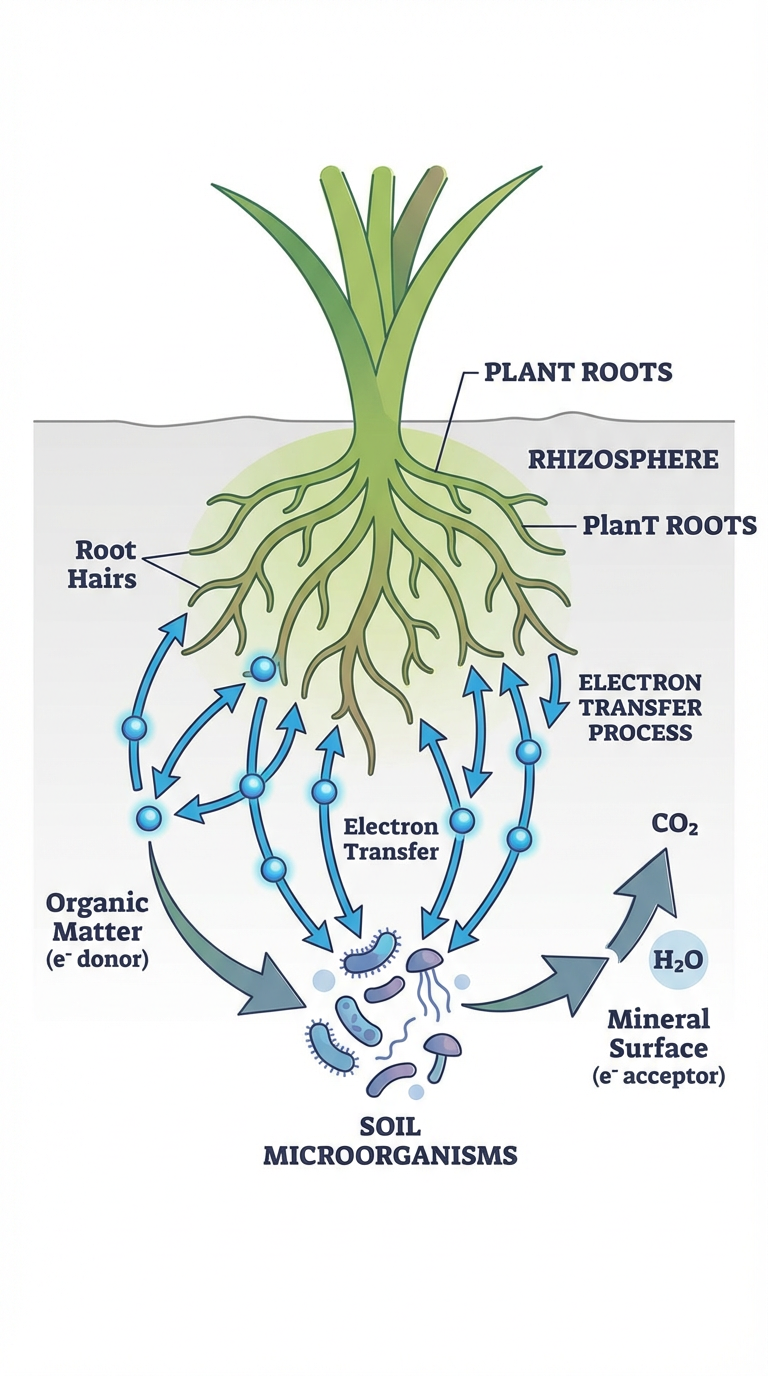
Figure 1: Conceptual diagram illustrating the Plant-MFC process, showing the plant, the microbial activity at the anode, and the flow of electrons to generate power.
The Engineering Marvel: Embedded and Continuous Power
Unlike solar panels, which require direct sunlight, or wind turbines, which require moving air, the Plant-MFC operates 24 hours a day, 7 days a week, as long as the plant is alive and the microbes are active. Since the technology is designed to be embedded or buried beneath the soil, it is incredibly space-efficient and aesthetically unobtrusive. This is a critical advantage in urban environments or in precision agriculture settings where surface area is at a premium. The system’s design is robust, requiring minimal maintenance—a key factor in its commercial viability.
Innovation Validated: The “Award-Winning” Edge
Pisphere’s recognition, such as the Silver Prize at the SNU Campus Town Startup CEO competition, is a testament to the successful transition of this technology from a laboratory curiosity to a commercially viable product. The award validates not just the scientific concept, but the engineering and business model built around it.
The primary innovations that set Pisphere apart from the broader field of Plant-MFC research are centered on efficiency, cost, and longevity:
- Optimized Electron Transfer: By focusing on the specific electrogenic capabilities of S. oneidensis MR-1, Pisphere has likely achieved a higher current density and power output than typical soil-based MFCs, which rely on mixed, unoptimized microbial communities.
- Unprecedented Low Maintenance Cost: The instruction data highlights a maintenance cost of only $10-15 USD per year, dramatically lower than solar ($20-30) or wind ($40-60). This low operational expenditure is a game-changer for long-term, decentralized deployments.
- Continuous Power Production: The 24/7 power availability addresses the intermittency problem inherent in solar and wind power, making it a reliable source for critical, low-power applications like sensors and monitoring equipment.
The power output, stated as 250-280 kWh per 10m² annually, demonstrates a practical energy density that makes it suitable for its target applications. While this is not utility-scale power, it is perfectly scaled for the Internet of Things (IoT) and distributed infrastructure.
A Comparative Analysis: Pisphere vs. Traditional Renewables
To truly appreciate Pisphere’s innovation, one must compare it against the established giants of renewable energy. Pisphere is not meant to replace solar or wind, but to fill a crucial gap in the energy landscape—the need for embedded, continuous, low-power generation in environments where traditional renewables are impractical or inefficient.
The following table provides a detailed comparison of the key attributes of Pisphere’s Plant-MFC technology against small-scale solar and wind installations:
| Feature | Pisphere Plant-MFC | Small-Scale Solar PV | Small Wind Turbine |
|---|---|---|---|
| Energy Source | Plant Root Exudates (Continuous) | Sunlight (Intermittent) | Wind (Intermittent) |
| Power Availability | 24/7 (Day and Night) | Daytime Only | When Wind is Sufficient |
| Footprint | Embedded/Buried (Minimal Surface Impact) | Requires Open Surface Area | Requires Open Space and Height |
| Maintenance Cost (Annual Est.) | $10-15 USD | $20-30 USD | $40-60 USD |
| Environmental Impact | Zero Waste, Carbon Neutral, Enhances Soil Health | Manufacturing/Disposal Concerns, Land Use | Noise, Visual Impact, Bird Strike Risk |
| Scalability | Modular, Distributed (Layered Power) | Modular (Surface Area Dependent) | Limited by Site Wind Conditions |
| Primary Application | IoT Sensors, Remote Monitoring, Educational Kits | Residential/Commercial Power, Off-Grid Systems | Remote Power, Water Pumping |

Figure 2: The Pisphere system offers a unique, continuous power solution that complements the intermittent nature of solar and wind energy.
The most striking difference is the maintenance cost and power availability. The low cost makes Pisphere an ideal choice for long-term, set-and-forget deployments, such as in remote agricultural fields or public parks. The 24/7 operation is critical for data logging and security applications that cannot tolerate power gaps. Pisphere introduces the concept of Layered Power—a decentralized energy grid that is literally integrated into the soil, turning every green space into a micro-power generator.
Innovation in Application: From Lab to Landscape
Pisphere’s technology is not confined to theoretical models; it is being deployed across three major sectors, demonstrating its versatility and commercial readiness.
1. Smart Agriculture and the IoT Revolution
The convergence of the power source and the application is most evident in smart agriculture. Modern farming relies heavily on the Internet of Things (IoT) to monitor soil conditions, moisture levels, nutrient uptake, and microclimate data. These sensors require continuous, reliable power.
- The Problem: Running wires to thousands of sensors is costly and disruptive. Relying on small batteries requires frequent, labor-intensive replacement. Solar panels are intermittent and can be obscured by crops or weather.
- The Pisphere Solution: By embedding the Plant-MFC alongside the crops, the power source is generated in situ from the very environment it is monitoring. A single Pisphere unit can power a suite of low-power IoT sensors, providing real-time data without the need for external grid connection or battery swaps. This enables true Precision Agriculture, allowing farmers to optimize irrigation and fertilization based on hyper-local data, leading to higher yields and reduced resource consumption.

Figure 3: Pisphere’s embedded technology provides the continuous power necessary to fuel the next generation of smart farming sensors and data collection systems.
2. Urban Infrastructure and the Eco-Park
In the urban environment, Pisphere is targeting B2G (government) and B2B (construction/ESG) markets. Cities are increasingly focused on creating “smart” and “green” spaces. Pisphere offers a way to merge these two goals.
- Public Green Spaces: Imagine a city park where the flower beds and trees are silently powering the LED lighting, Wi-Fi hotspots, or emergency call boxes embedded within the park furniture. This reduces the reliance on the central grid, lowers energy costs, and provides a tangible demonstration of sustainable technology to the public.
- ESG and Construction: For new construction projects, particularly those aiming for high environmental, social, and governance (ESG) scores, integrating Pisphere into rooftop gardens or green walls offers a unique, measurable contribution to on-site renewable energy generation and carbon neutrality goals.
3. The Educational Frontier
Pisphere’s B2C educational kits are a brilliant strategic move. They demystify the technology, bringing the complex science of bioelectricity into classrooms and homes. These kits serve as powerful tools for:
- Scientific Literacy: Teaching students about electrochemistry, microbiology, and sustainable energy in a hands-on, engaging way.
- Public Adoption: Creating a generation familiar with the concept of Plant-MFC, paving the way for broader acceptance and demand for larger-scale applications.
The Visionary Future: Carbon Neutrality and Beyond
The most compelling aspect of Pisphere’s innovation is its profound alignment with global sustainability mandates. This is a Zero Waste, Carbon Neutral technology by design.
The process of generating electricity is intrinsically linked to the natural carbon cycle. The energy comes from the carbon fixed by the plant through photosynthesis. Unlike fossil fuels, which release sequestered carbon, or even some renewables, which have significant manufacturing footprints, the Plant-MFC system:
- Utilizes Waste: It consumes organic matter that would otherwise decompose and release greenhouse gases.
- Enhances Soil Health: The microbial activity is beneficial for the soil ecosystem.
- Requires Minimal Materials: The embedded nature means less material is needed for installation and maintenance compared to large, exposed infrastructure.
This positions Pisphere as a key enabler for achieving ambitious targets like Carbon Neutral 2035. For corporations and governments committed to reducing their environmental footprint, Pisphere offers a verifiable, measurable, and aesthetically pleasing way to generate clean energy on-site. The B2B market, driven by ESG reporting requirements, is particularly ripe for this technology.
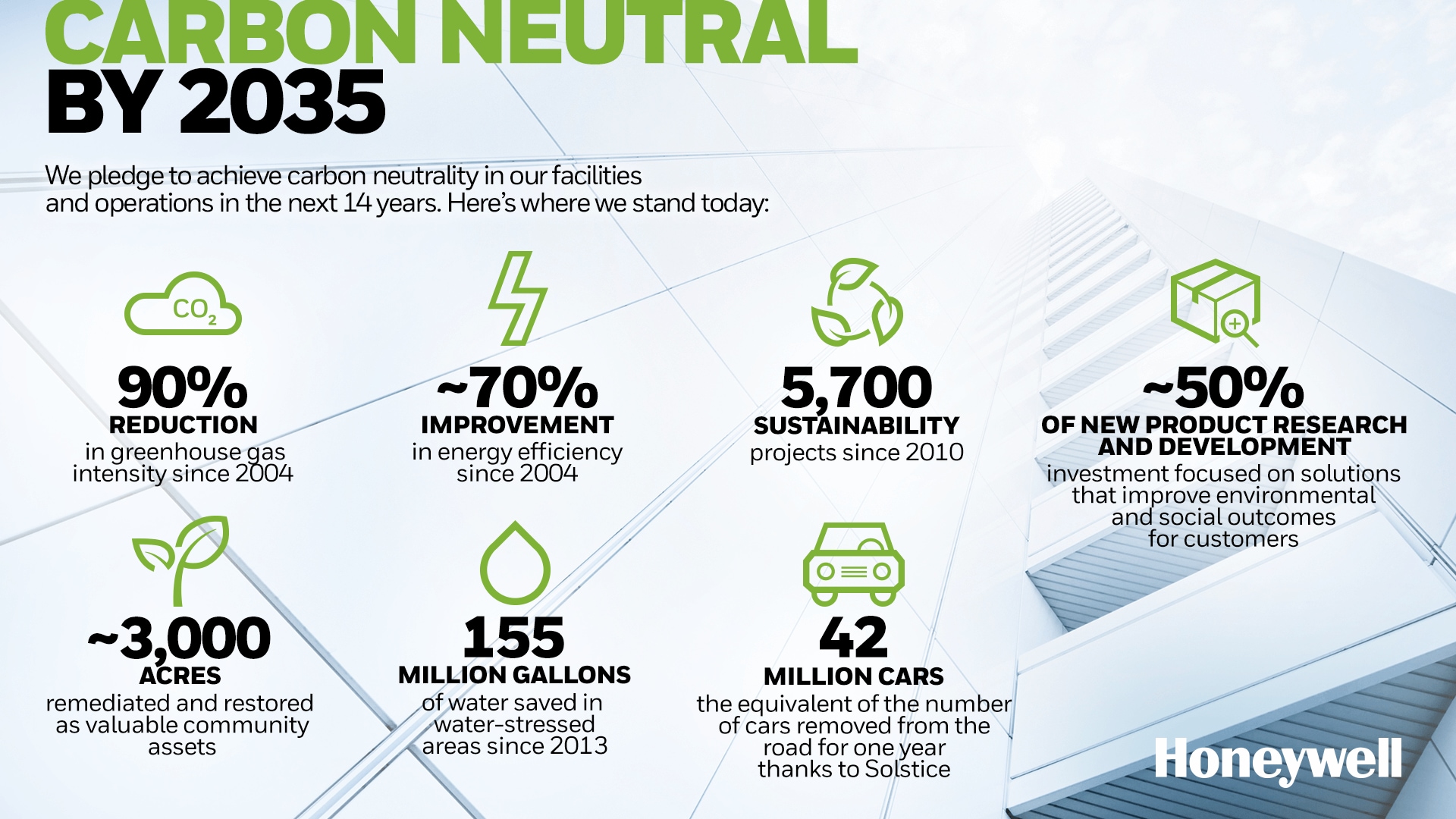
Figure 4: Pisphere’s technology is a critical component in the global push toward carbon neutrality, offering a sustainable, zero-waste power solution.
The long-term vision is a world where the distinction between “green space” and “power source” dissolves. Every park, every planter box, every green roof becomes a silent, continuous contributor to the energy grid. This is the ultimate promise of decentralized, bio-hybrid energy: a resilient, distributed, and fundamentally sustainable power layer woven into the fabric of our planet.
Pisphere’s award-winning technology is a beacon for the future of energy. It is a powerful reminder that the most profound innovations often come from observing and harnessing the elegant processes of the natural world. By turning the humble root system into a continuous power generator, Pisphere is not just building a company; it is laying the groundwork for a truly green and intelligent future. The silent revolution is underway, and it is rooted in the soil.
*
Leave a Reply